Living Room Decor Ideas for the Room You Already Have
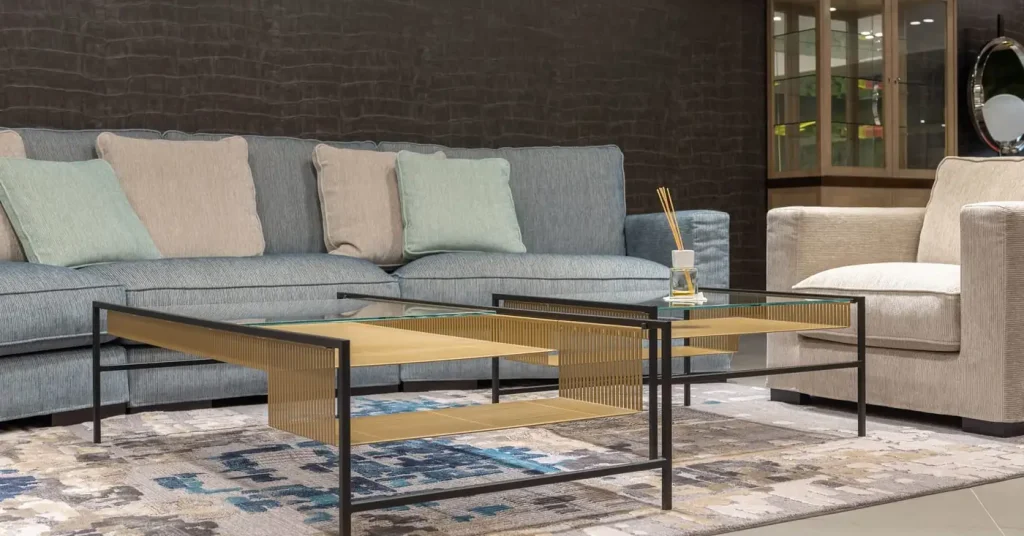
Living room decor brings the seating, textiles, lighting, wall displays, and everyday objects into a room that feels connected.
Start with what gets in the way of using the space, then work outward from the furniture you’re keeping. A blocked route calls for a layout change; a room that works but feels unfinished may need a quieter backdrop or a few repeated colors.
The choices below move from daily activities and room shape to color, curtains, lamps, and displays. Each gives you a way to decide what deserves attention now, with more detailed room ideas where a particular problem needs a closer look.
On this page
- Choose the first change
- Small rooms: layout or visual clutter?
- Keep a route through a narrow room
- Work with the colors you own
- Choose a curtain background
- Place light around the seats
- Balance walls and displays
- Borrow a style
- Keep the base, change the accents
What Should Your Living Room Decor Solve First?
Begin with the activity the room makes awkward. If you’re balancing a book or drink on a chair arm, give that seat a reachable surface before adding a wall display. Turn the seats toward each other if talking feels awkward. A change earns its place when it improves the part of the room you actually use.
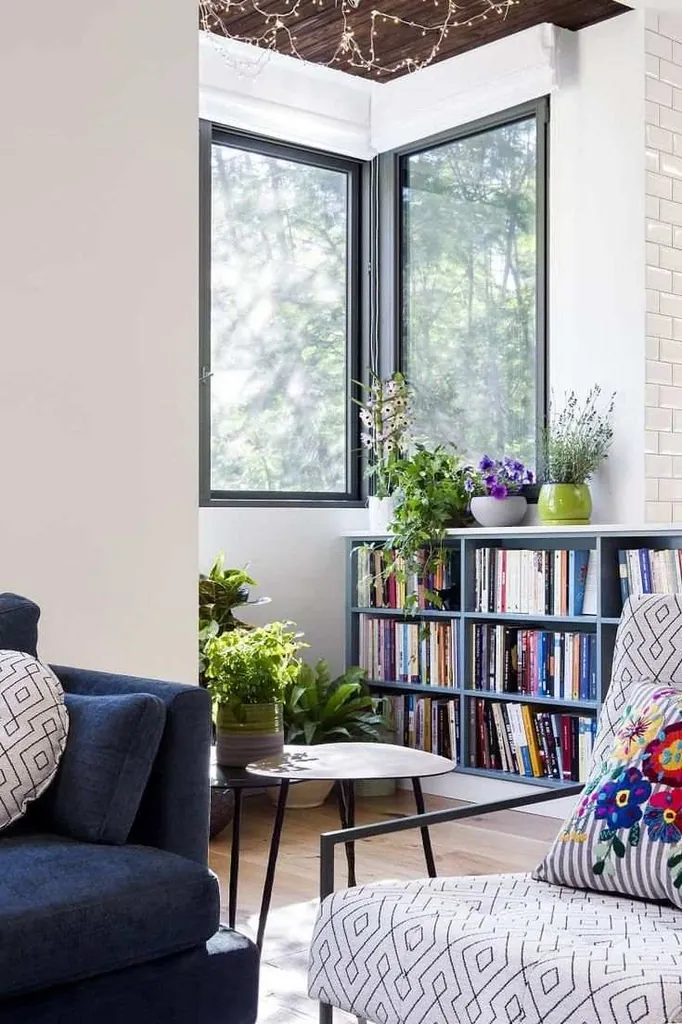
Books, windows, and a patterned chair all draw attention in the corner below.
The navy sofa supplies a broad patch of solid color, giving those smaller details a neighbor that asks less of the eye. The arrangement suggests a starting question: which objects need to stay within reach, and which can become part of the background?
Make a short keep list before saving more room pictures. Include the sofa, a favorite chair, an existing rug, and anything fixed in place. Then name what you’re after in ordinary words: seats that face each other, fewer busy surfaces, or a softer evening room. That’s a clear job for the next change.
If the room already works and you want a seasonal change, start with the fall living room decor ideas. A cushion, throw, or small display gives that change a place without replacing the main furniture.
For changes beyond this room, use the home decor guide to connect your living room choices with the colors, lighting, and useful surfaces elsewhere at home.
Small Living Rooms: Separate Layout from Visual Clutter
A small living room can have two different problems: the furniture interrupts movement, or the room works but looks crowded. Try the everyday actions first. Walk to the door, sit down, reach the table, and open the curtains with the furniture in its usual positions. If you’re repeatedly moving a piece, start with where it stands.
When those actions work, look at the outlines and surfaces. A heavy chair back, several competing fabric patterns, and scattered little displays can make a seating group look busier. The small living room decor ideas are a starting point for choices such as open frames and quieter textiles around pieces you’re keeping.
If you’re working around a doorway or window corner, start with the door-and-window seating layouts. Sketch the full furniture shapes, including the projecting end of a chaise. Leave the finishing touches until the room works in use; pale cushions won’t change where a chair stands.
Give a Narrow Living Room a Clear Route
A narrow living room adds a direction to the layout problem: people often need to travel along the room while others sit. Identify that route before spreading the seating across the available width. The path might pass beside a conversation group or behind a sofa, depending on where the doors and neighboring rooms connect.
Try the route while someone’s sitting down. A footstool in use and a chair turned toward the sofa can take up space that looked empty on a sketch. Keep those everyday positions in view, then decide whether another seat earns its space. The narrow living room layouts give this room shape its own place to start.
Once the route is settled, let the seating form a clear group. A reading chair can have its own small surface and light without becoming another obstacle between the door and sofa. Treat a photograph as a relationship to borrow; the fit comes from your own openings and furniture.
Build Living Room Color Around the Pieces You Keep
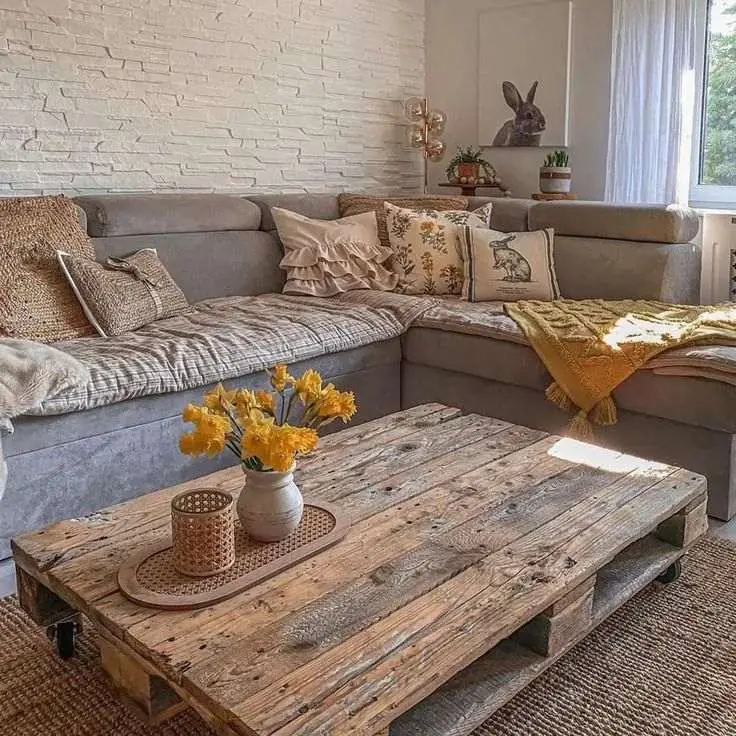
The sofa and rug already occupy a large share of the view, so start with their colors. In the gray seating group below, yellow appears in a throw and flowers. There’s a link between the separate surfaces, while the gray upholstery gives the brighter details a broad background.
Test an accent with objects you can move. Put a cushion near the rug or carry a vase into the seating area, then look from the doorway and the seat. If you’re happy with the cushion beside the sofa but it feels stranded from farther away, look for a place to echo it in the living room color ideas.
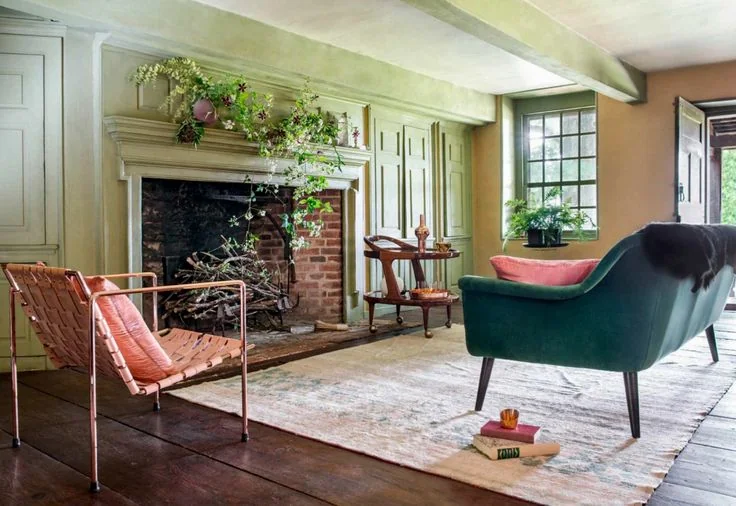
Related colors can work across quite different pieces. Green walls surround a deeper teal chair in the room below, while pink appears on the facing seat. The walls and chair share a color family without matching. That gives a colorful existing chair somewhere to belong before a new purchase enters the plan.
For a more restrained room, compare the largest pale and muted surfaces together. A cream curtain, gray sofa, and brown floor each bring a different tone into the same view. Start with neutral living room ideas if that broad background matters more to you than a bright accent.
Let Living Room Curtains Set the Background
Curtains carry the palette onto a large upright surface. Before choosing another pattern, consider how much detail the seating and rug already bring. A relatively plain curtain can leave a patterned chair in charge of the room; a curtain with more contrast asks for attention across the window wall.
The pale sofa below sits beside light curtains and windows, with darker tabletop objects in front. Keeping the broad fabrics close in color leaves the smaller blue cushion and dark objects easy to notice. Borrow that balance if your room already has a few details you’d like to keep prominent.
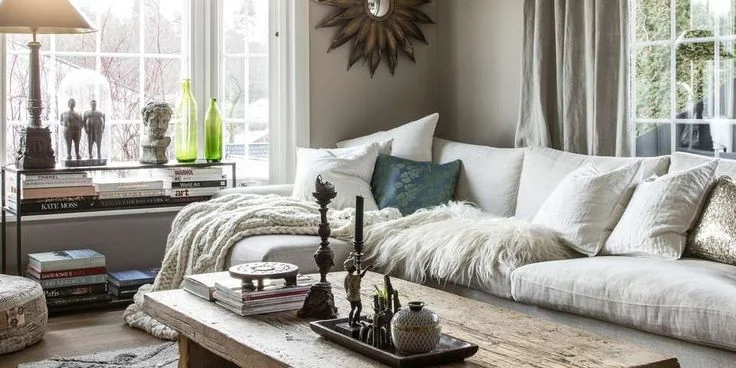
Look at the window treatment open and closed before settling the surrounding colors. The amount of visible fabric changes with that everyday action. Your privacy and light-control needs also belong in the decision; the living room curtain ideas provide a separate place to explore the decorative direction.
Arrange Living Room Lighting Around the Seats
Curtains shape the daytime background; lamps change how the seating reads after dark. Start with the places where you’ll read, talk, or watch television. If you’re choosing between another ornament across the room and a lamp beside the chair you use every evening, try the lamp first.
Separate glowing fixtures appear near the dining area and farther into the living space below. The eye can move between those points instead of stopping at a single lit tabletop. The photograph offers an evening mood to consider, while the brightness needed for reading still depends on the task at your own seat.
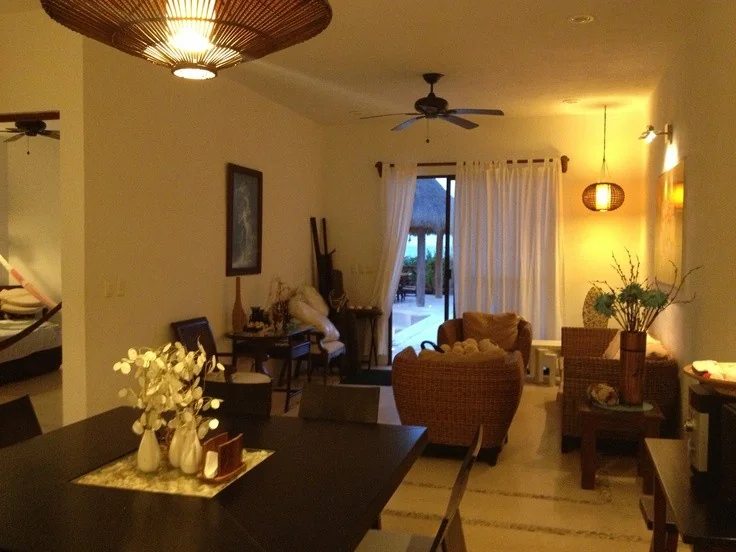
Try the lamps you have where there’s room for them. Include their bases and the tabletop they occupy, then sit down and see where the shade and light fall in your view. The living room lighting ideas continue that decorating task. Wiring and fixture installation need their own checks beyond a room photograph.
Balance Living Room Wall Decor with Nearby Objects
A wall display shares the view with everything below it. Before filling a bare patch, look at the sofa, cabinet, or existing architectural feature nearby. A strong dark shape may already hold the room’s attention, leaving the surrounding wall better suited to a quieter treatment.
The black fireplace below forms a tall, dark block behind pale round tables.
The contrast comes partly from shape: circles interrupt the straight lines, and a dark vase carries a little of the background color forward. Consider that relationship when deciding whether a room needs more wall detail or a different arrangement of existing objects.
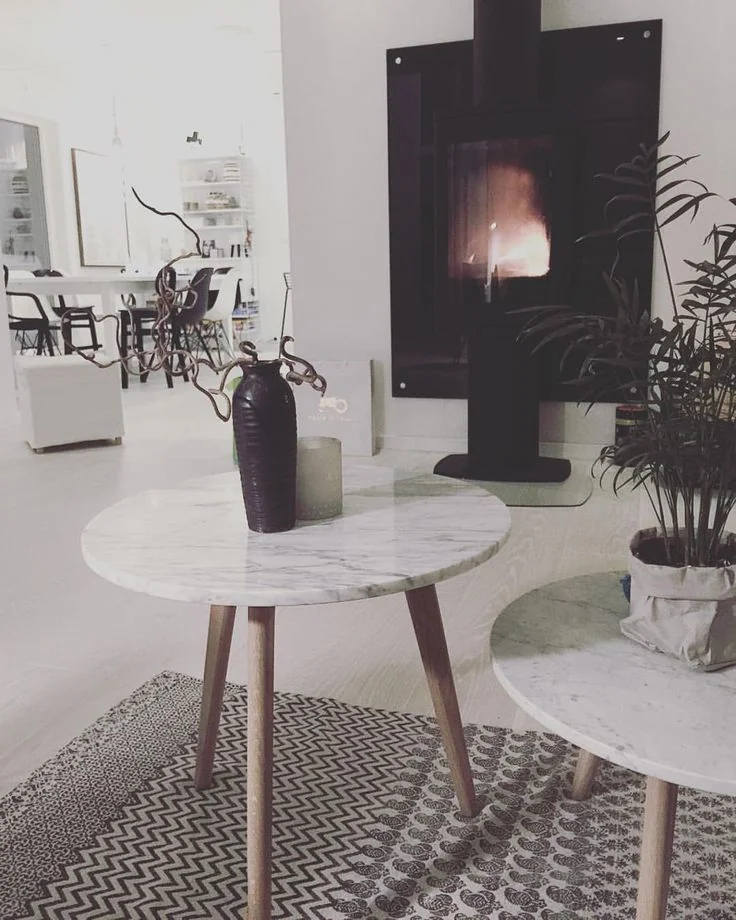
An empty corner can also gain definition from an object’s outline. Broad leaves surround the open frame of the blue chair below, making the corner feel layered.
For a similar visual effect, choose a plant suited to your home’s conditions and keep the chair’s approach usable. The plant’s size and shape belong in the arrangement just as the chair’s do.
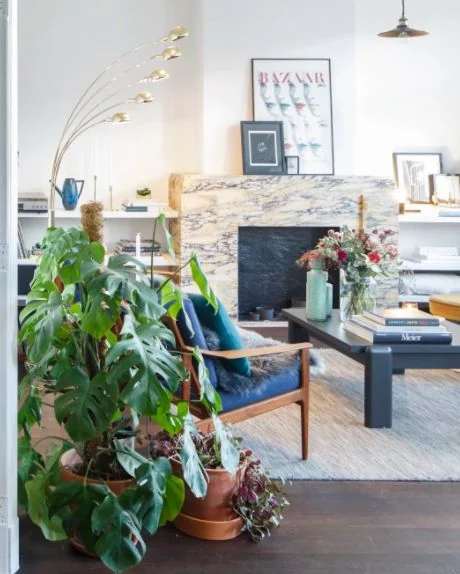
For pictures, mirrors, or grouped objects, begin with the living room wall decor ideas. Decide which part of the view should lead, then give neighboring surfaces enough space to support it. A fireplace image illustrates a composition; appliance instructions govern nearby furniture and textiles when a fireplace operates.
Borrow Living Room Style Without Replacing Every Piece
Once you’re happy with the main pieces together, a style reference can help choose the details. Pick out the feature you like: an open chair frame, a quiet sofa outline, a cluster of patterns, or plants beside the seating. You’ll have a clearer next move than trying to make every object fit a label.
Use a mid-century modern living room as a starting direction when the shapes of the furniture catch your eye. Compare one chair or lamp with the pieces already in place, including the view of its back. A sofa you like can stay while a smaller neighboring piece changes the group.
If layered patterns and a more collected arrangement appeal to you, explore a boho living room. Choose where the detail should gather so the seat and the surfaces you use remain inviting. A patterned chair may already supply enough of that character without another patterned curtain beside it.
A colored sofa offers an even more concrete starting point. The green couch living room ideas keep that existing piece at the center of the task. Build outward from its color and outline, then choose which accents help it belong to the room you have.
Keep a Comfortable Living Room Base Through the Seasons
The furniture and everyday window treatment can provide continuity while smaller textiles and objects change.
Decide which items do their jobs throughout the year: a chair with a reachable table, a lamp beside the seat, or a cushion that supports how you sit. Give those pieces priority over a seasonal display that makes them harder to use.
Cream seating, a striped cushion, and a broad lamp shade give the corner below a settled background. A different cushion or a throw could change its emphasis while the seat and lamp stay in place. That is a manageable scale for trying a warmer fall color or a lighter-looking fabric later in the year.
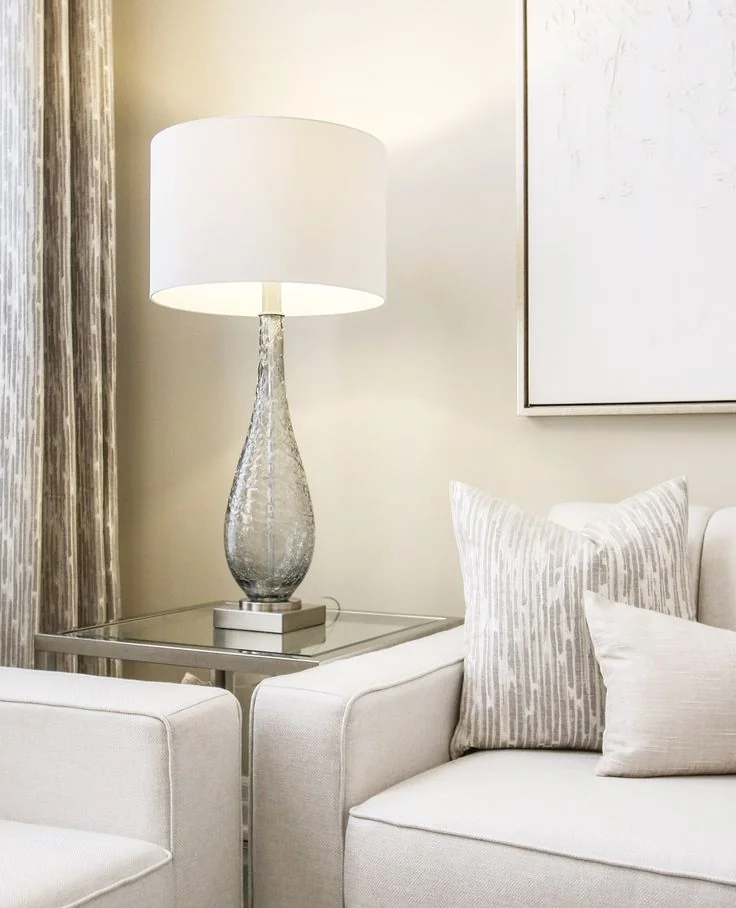
For an everyday warm mood, the cozy living room ideas explore lamps, throws, and accents together. Try one change, then use the seat with a cup, a book, or the remote where it normally goes. Keep the addition if it still works when the room is lived in, and leave the next empty surface available until it has a job.
Explore a related room
All ideas in this guide
- 8 Cozy Living Room Ideas for a Warm and Inviting Home
- Narrow Living Room Layout Ideas for Long, Rectangular Rooms
- 8 Neutral Living Room Ideas: Warm Decor in Cream and Taupe
- Green Couch Living Room Ideas: Walls, Rugs and Pillows
- Small Living Room Ideas: Open, Inviting Decor for Apartments
- Living Room Curtain Ideas to Finish the Space
- Living Room Lighting Ideas: Warm Lamps for Softer Evenings
- Boho Living Room Ideas with Natural Texture: Minimalist & Modern
- Living Room Color Ideas: Paint Colors and Warm Pairings
- Living Room Wall Decor Ideas: Gallery Walls, Mirrors and Shelves
- Mid-Century Modern Living Room Ideas: Wood and Color
- Small Living Room Layout Ideas for Doors, Windows, and Seating